Power station
For several devices, longer outages, camping, or anything with a wall plug.
Simple backup power planning
Tell us what you need to keep running. We’ll show you a sensible battery size and likely runtime — without making you learn the jargon.
Start here
You do not need to understand watts or battery jargon to begin.
Answer six simple questions and get a practical starting setup.
Help me chooseI own a batteryEnter Wh or Ah × V, one device load, and visible planning assumptions for a realistic runtime.
Check runtimeSeveral devicesAdd your internet, lights, fridge, medical gear, and other essentials.
Build my loadBest by use
Start with the device or setting that cannot fail. Each guide shows the sizing math before comparing products whose published specifications fit the job.
Size a full night of therapy, including humidifier draw and medical caveats.
Compare an evening, a workday, and all-day connectivity plans.
Check motor surge first, then size capacity from actual pump-on time.
Build a daily energy budget for fridges, lights, fans, devices, and recharging.
Pick the one question you want answered. Each tool explains its result.
Best for: Convert Wh or Ah × V into runtime for one device.
PF-02CalculatorBest for: Check capacity, continuous watts, and optional startup demand for one device type.
PF-03CalculatorBest for: See whether a solar panel can refill your battery.
PF-05CalculatorBest for: Add every device in your outage plan.
PF-07Mission plannerBest for: Size a remote shoot from batteries, laptop time, and lights.
PF-04Decision wizardBest for: Get a setup suggestion without knowing the specs.
Start from your situation
Pick a common situation. We will pre-load the typical devices for you.
Keep home internet up during an outage
ClassUnder 300WhRide out a multi-hour outage in an apartment: lights, phones, internet, and a fan
Class1,000–2,000WhRun lights, phones, and small electronics at a campsite for a weekend
Class500–1,000WhKeep a mini fridge or compact refrigerator cold through an outage
Class500–1,000WhStart with the job. You can compare exact specifications later.
For several devices, longer outages, camping, or anything with a wall plug.
For a computer or internet gear that cannot turn off, even for a second.
For phones, tablets, and other devices that charge directly over USB.
Use the Gear Finder first if you do not know your size. If you do, these are our quick budget, mid-size, and extended-outage picks.
Some links on this page may be paid links. If you buy through them, Cynosure LLC may earn a commission at no extra cost to you. We do not claim to have personally tested products unless clearly stated.
Best budget
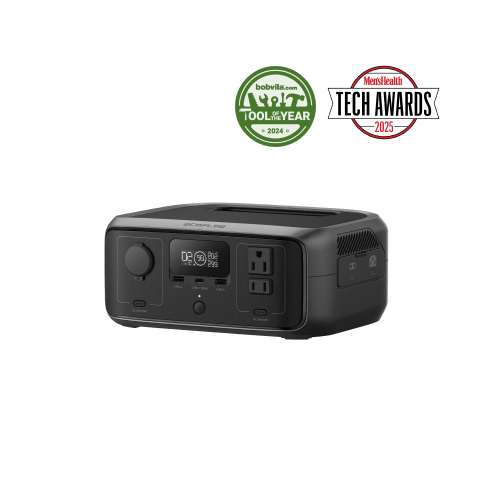
EcoFlow
Keeps internet, phones, and lights alive through an evening outage for the least money.
See current priceBest mid-size
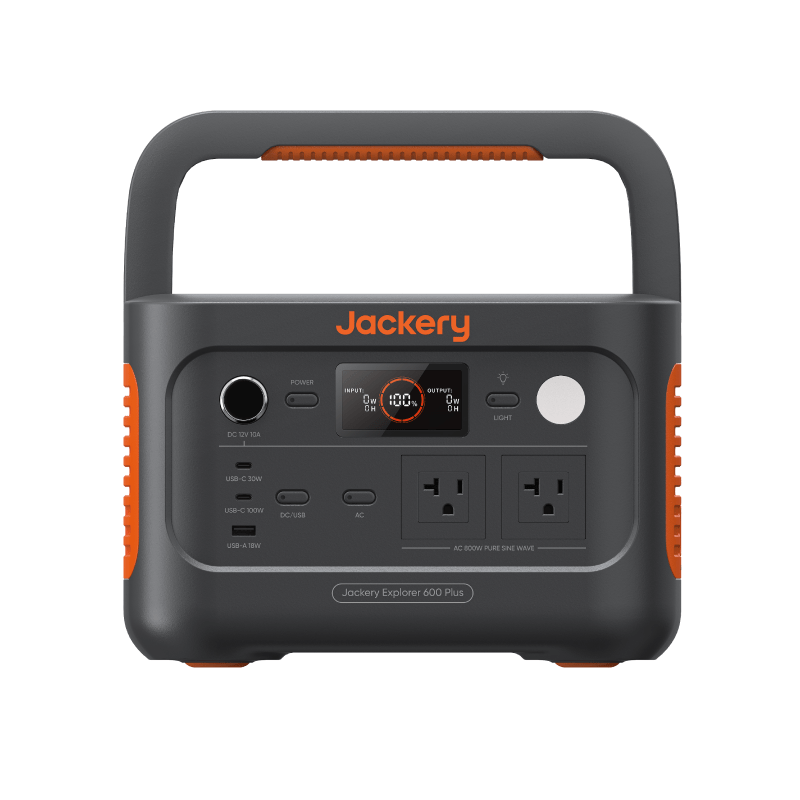
Jackery
A full work-from-home day — laptop, router, phones — at a weight you can still carry.
See current priceBest for big outages
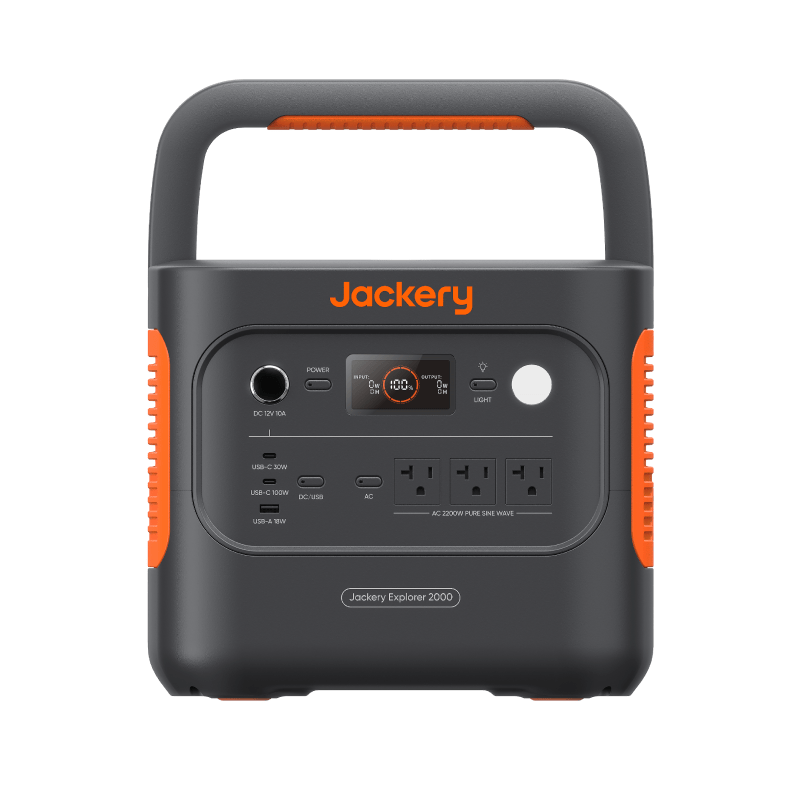
Jackery
Days of essentials, or a full-size fridge in duty cycles, when the outage runs long.
See current priceThese three are the shortcut — not the whole catalog.
Browse all 27 picks, including power stations, UPS units, solar gear, charging accessories, and outage essentials.
Prices last checked between 2026-07-08 and 2026-07-09; review overdue — verify current listings. We have not hands-on tested these units — verify capacity, output, and current price on the listing. Not sure which size fits?Size your load first ortake the Gear Finder.
The printable checklist now — then short, occasional notes when one of our recommended picks changes or we spot a real price drop. Nothing on a schedule, unsubscribe anytime.
Learn before you spend
Plain-English guides on sizing, comparing, and avoiding the usual backup-power mistakes — with the math shown, not hidden.
An honest comparison of gas generators and battery power stations: CO safety, noise, cost per kWh both ways, maintenance, and which one fits your outage.
Calculators & sizingA fridge has three wattage numbers: running, surge, and average. Learn what yours really draws, how to measure it, and what battery capacity keeps food safe overnight or for 24 hours.
Home outage setupsWhat hurricane outages actually look like, a realistic power priority list, honest sizing math before the storm, and a day-by-day countdown once a storm is named.
How Power Preflight works
We publish our formulas and assumptions, we don't write fake reviews, and we'd rather you buy the right size than the biggest one.
Add up your real device watts, then use thefree calculators to turn them into runtime and capacity numbers.
Put capacity classes and setup types side by side so the trade-offs are clear before you shop.
Verify the specs that matter and buy the size you actually need — nothing bigger. Ourmethodology is public.
Calculations are estimates. Verify manufacturer specs. Some links may earn commissions.